>work
>tensorplex dojo
blog posttl;dr
- highlights:
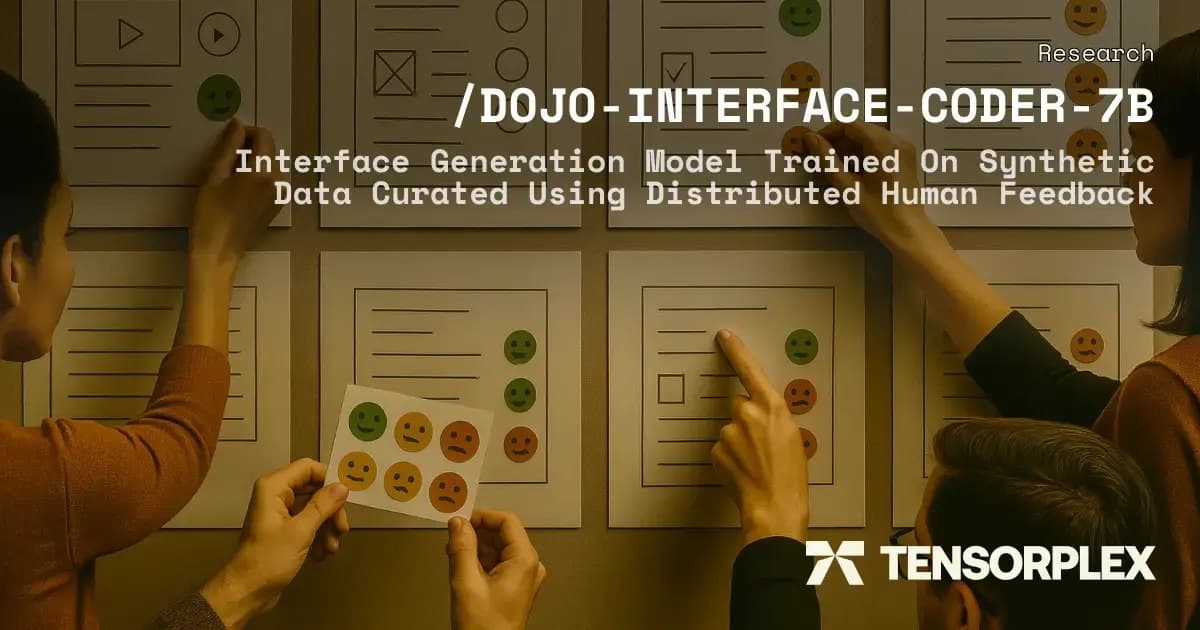
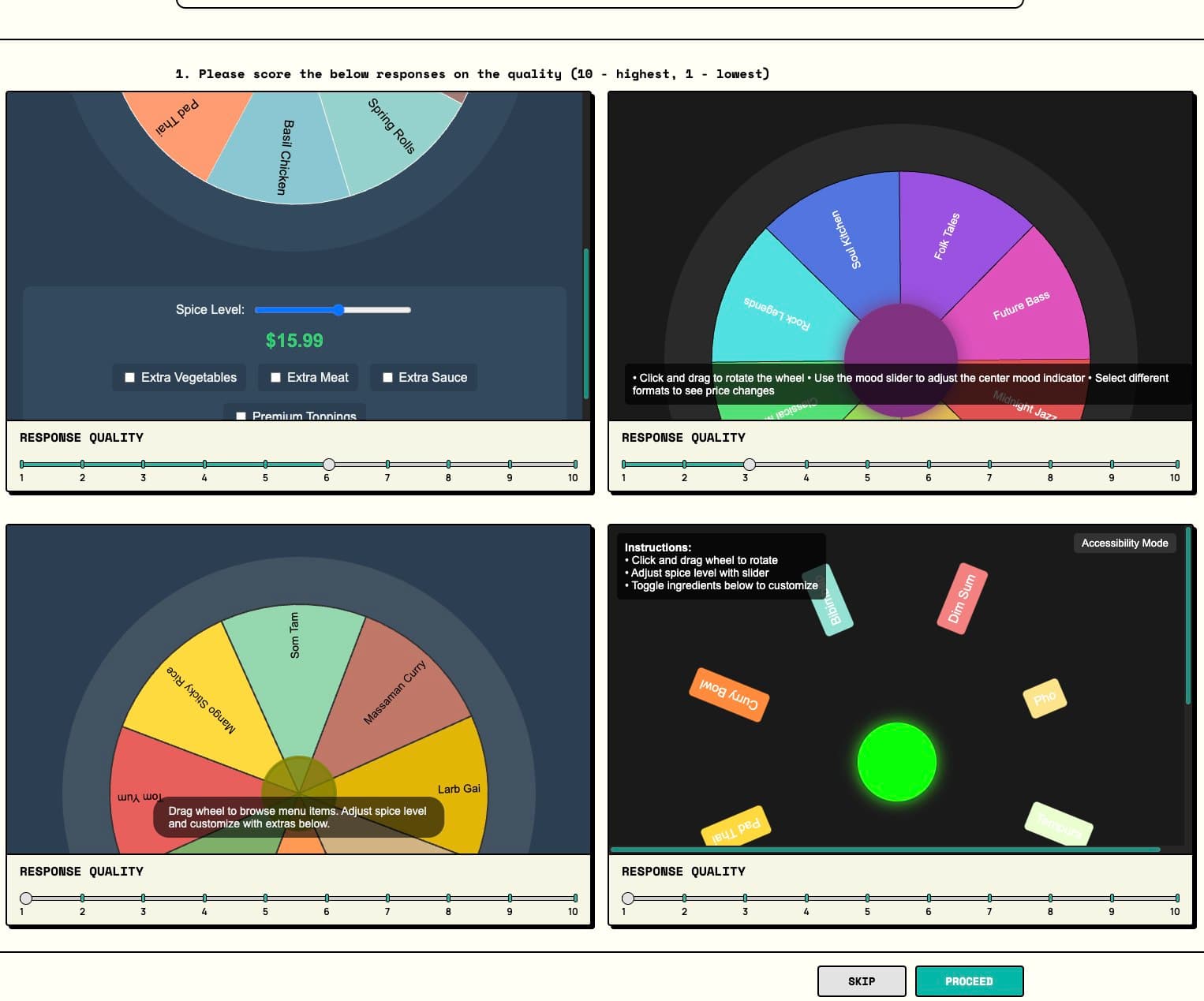
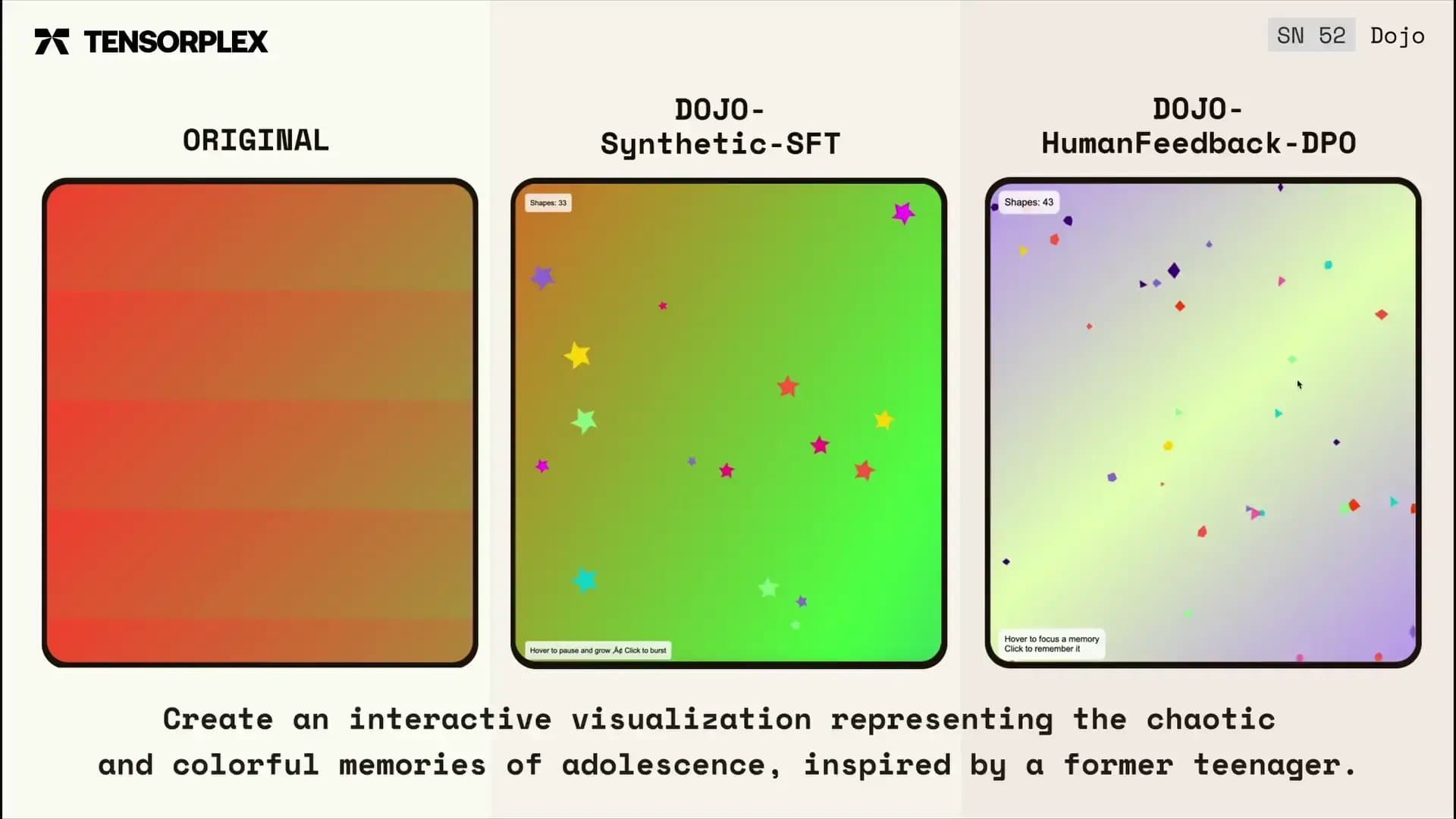
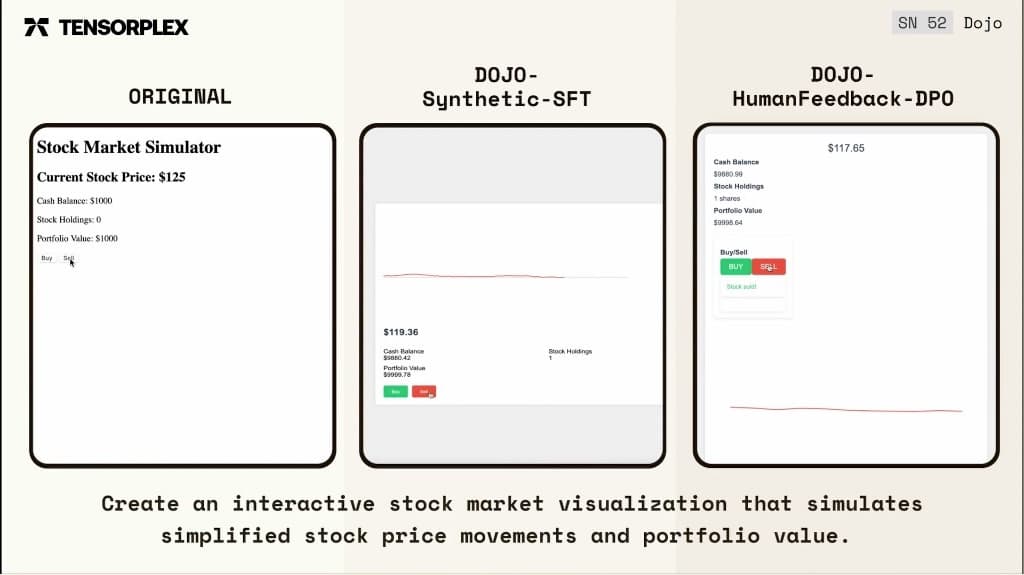
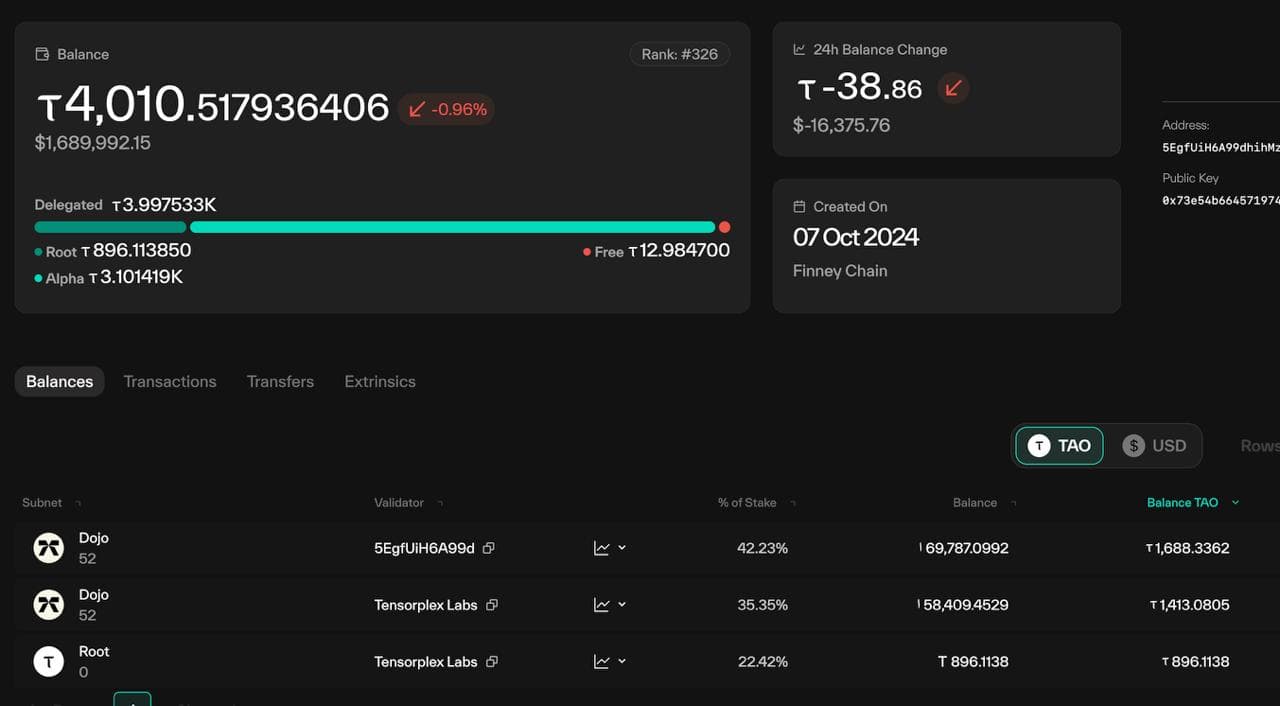
- ~1% of network emissions, backed by yzi labs, dojo interface coder 7b, sft and dpo datasets, signature verification for multisig setups, kami
- status:
- live for 1 year 2 months, then archived
- year:
- 2024-2025
- role:
- architect, product owner, sole developer → tech lead
- stack:
- python, go, typescript, nextjs, react, litellm, instructor, langfuse, openrouter, huggingface, playwright, typescript-lsp, postgres, milvus, redis, docker, aws, pm2, fastapi, gin, cohere.ai, siws
- challenges:
- game theory, incentive mechanism design, anti-gaming mechanisms in an adversarial open-source environment, embracing new ai tooling when it hasn't matured, designing cicd flows to prevent vibe coded slop
- lessons:
- build the product first then decentralize, narrow scope beats broad ambition, without evals every architecture decision is a judgment call, assume everything will be reverse-engineered in open-source adversarial environments, technical decisions need to be made by the people who understand the engineering
- links:
- synthetic api, dojo v1, worker api, messaging, kami, docs
loading 3d model...
drag to rotate
>tensorplex stream
tl;dr
- highlights:
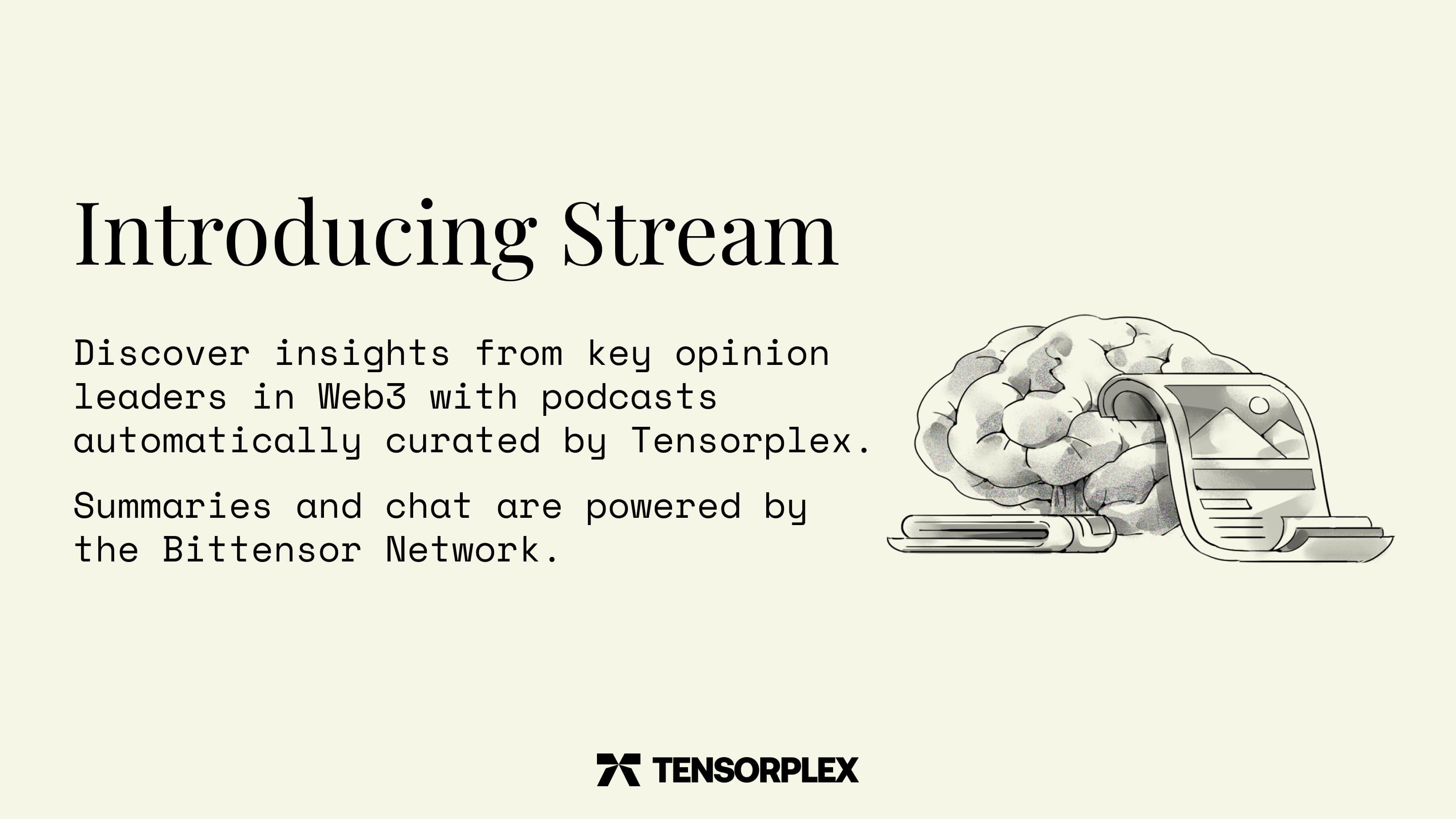
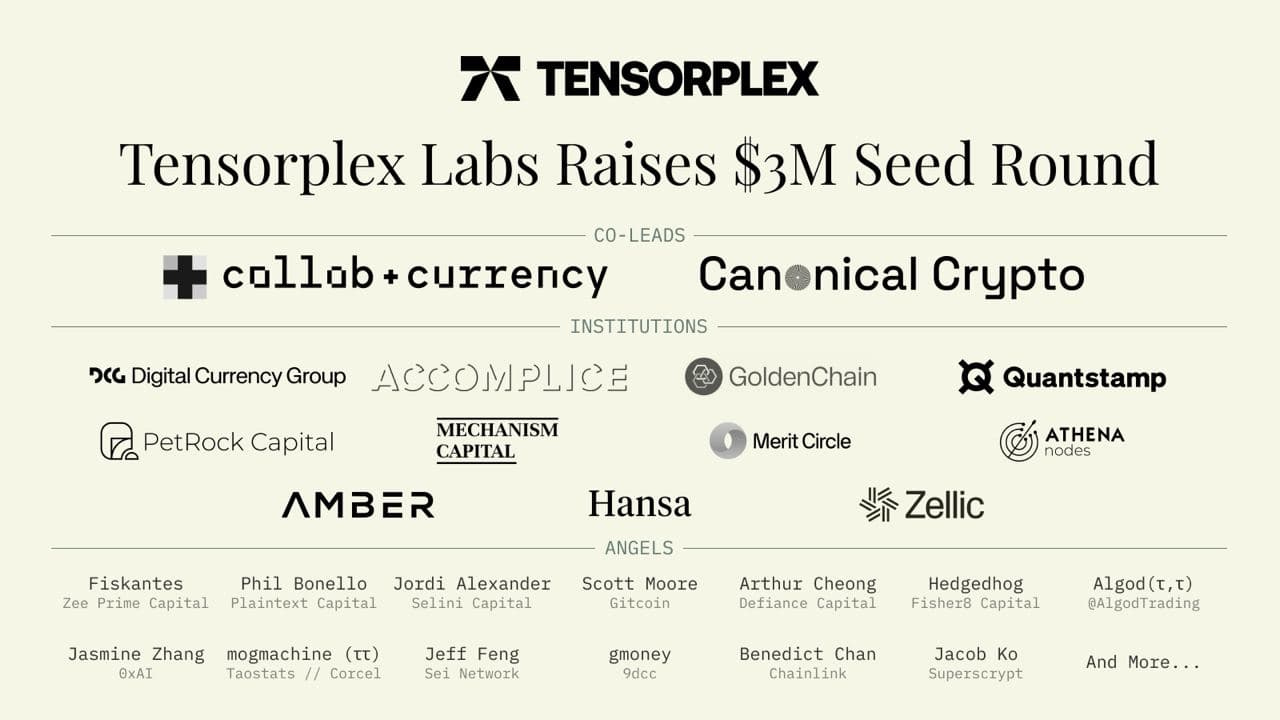
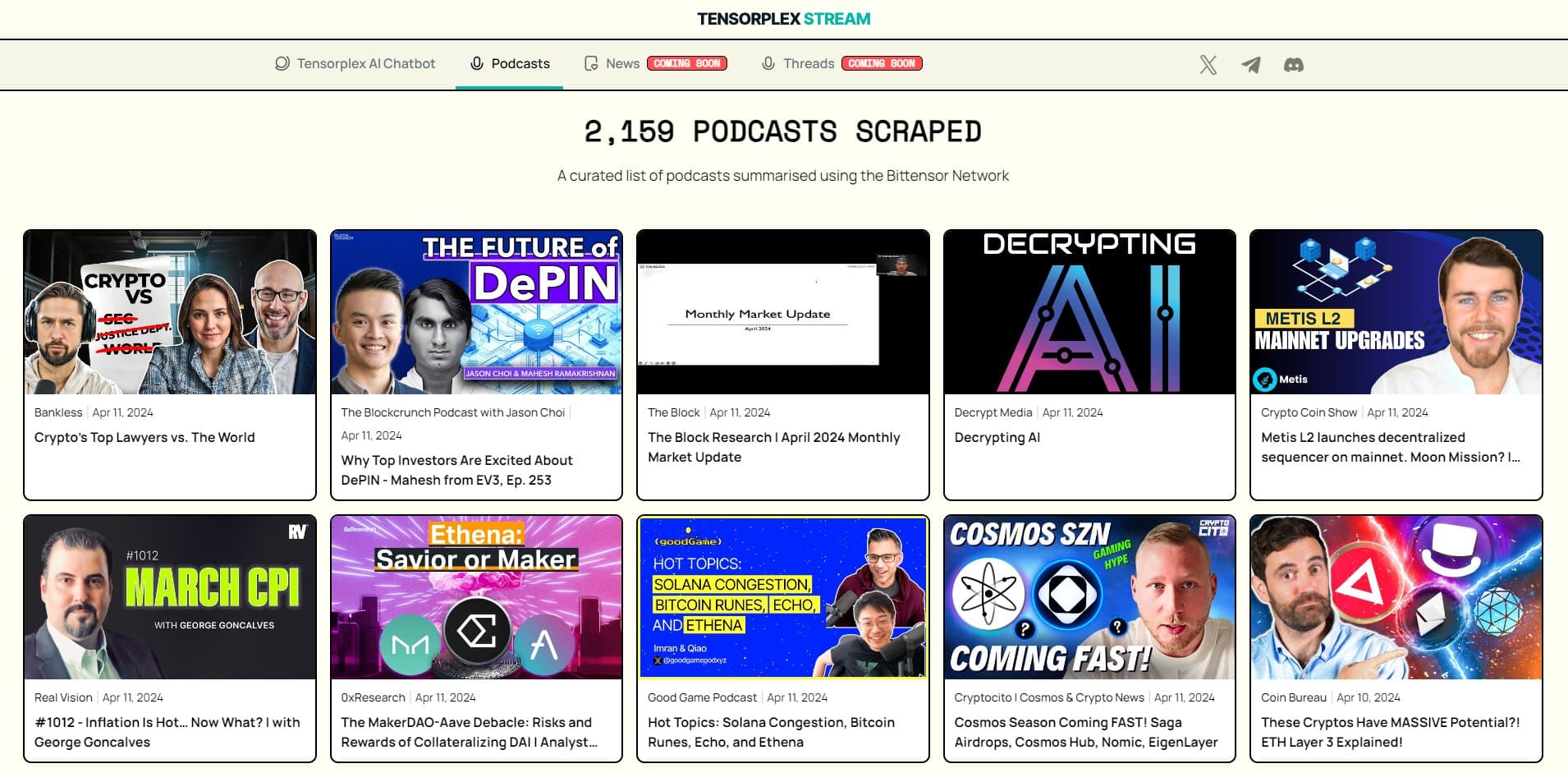
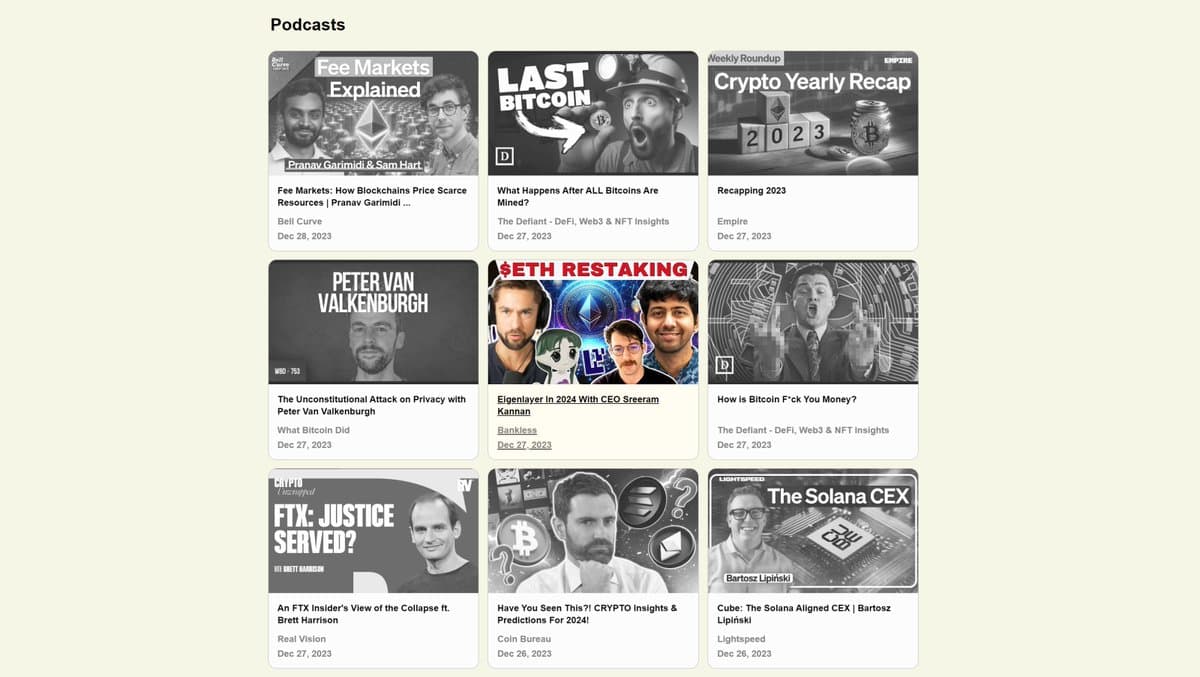
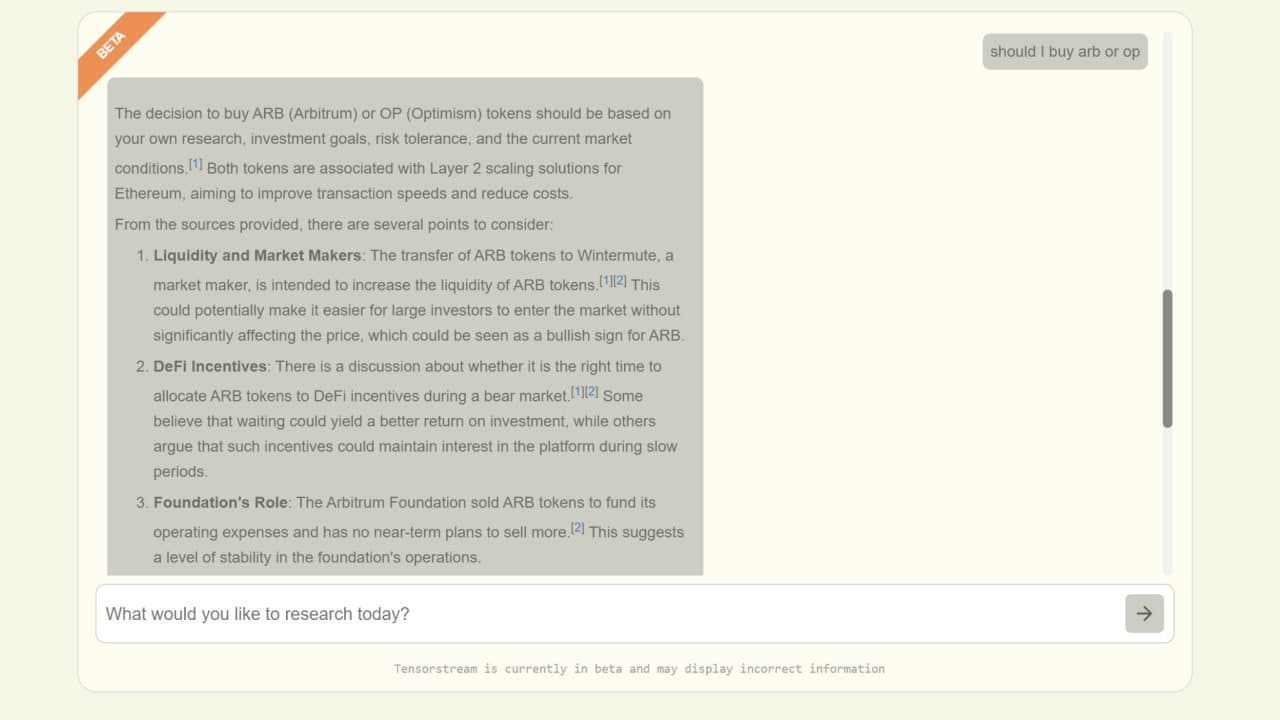
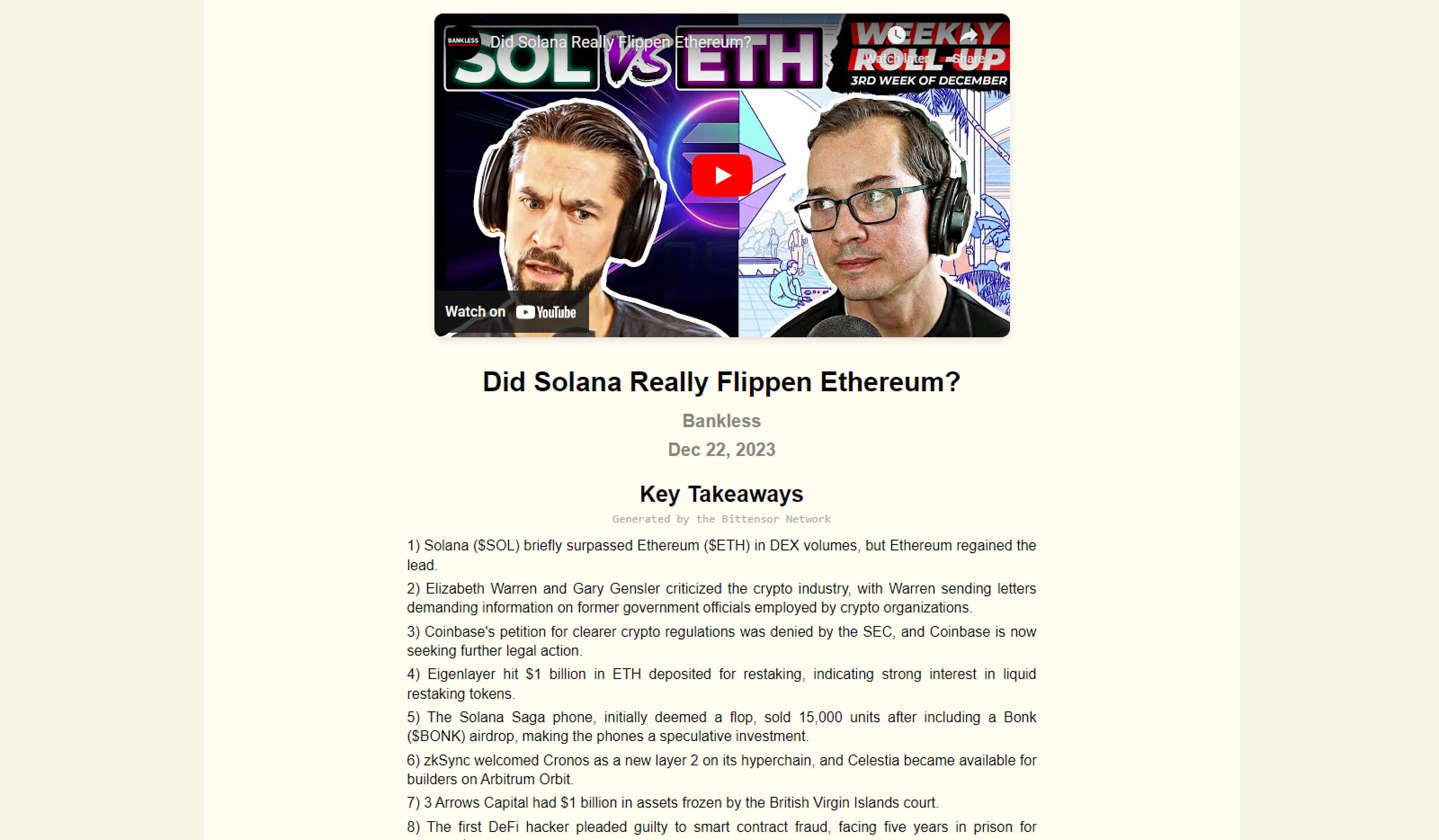
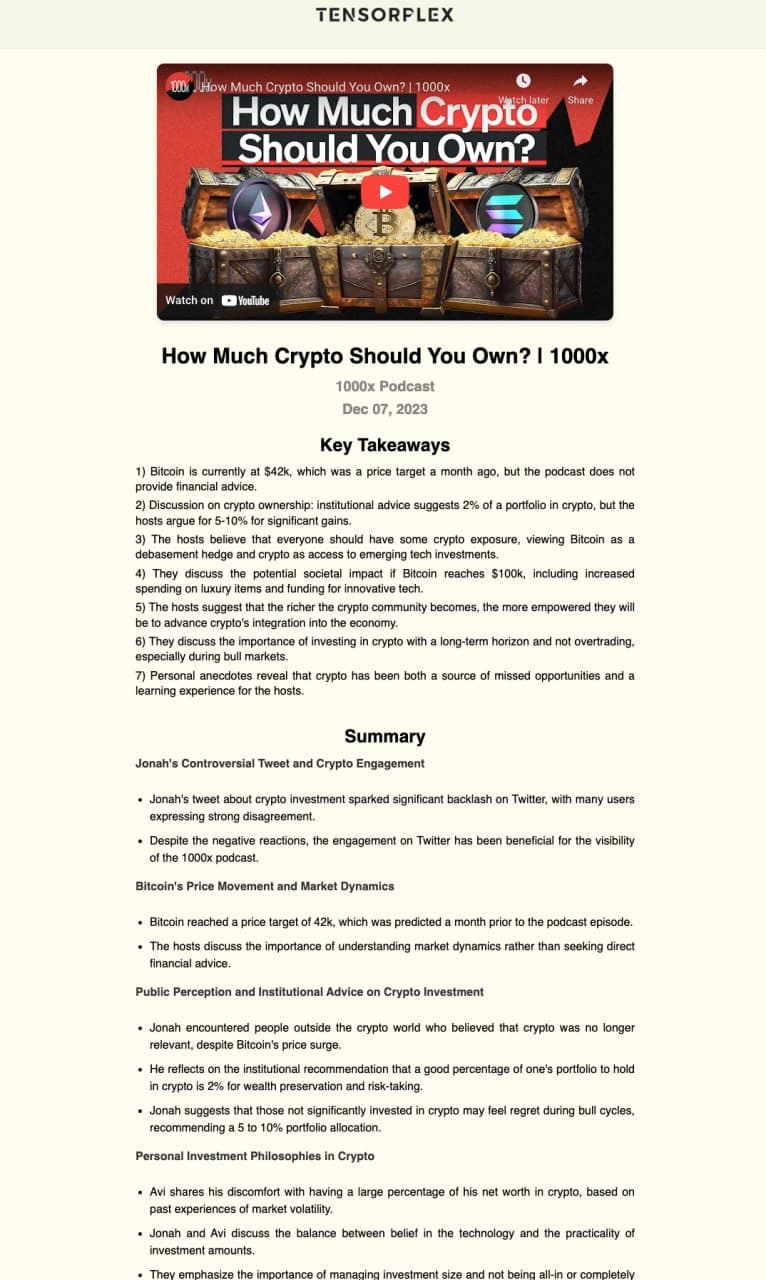
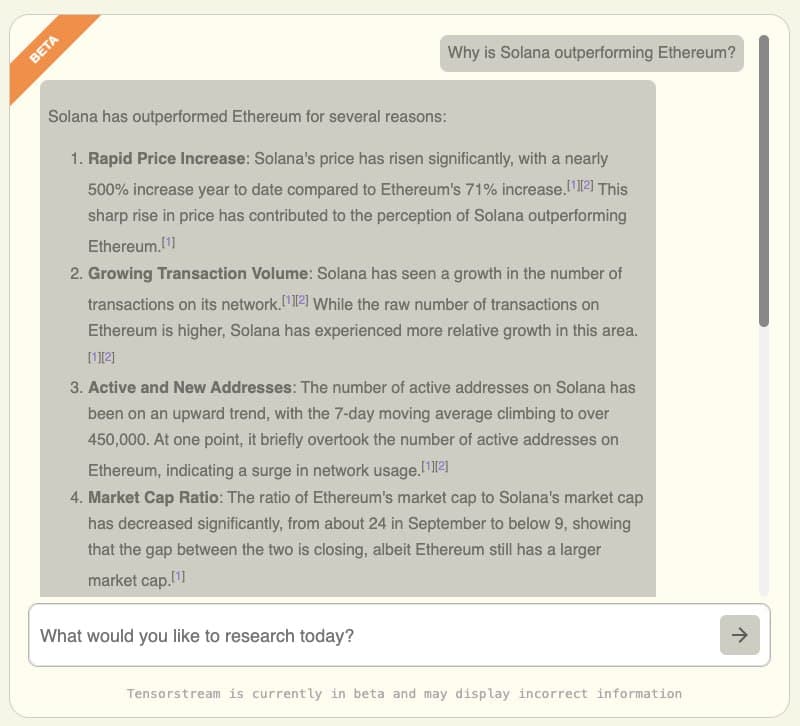
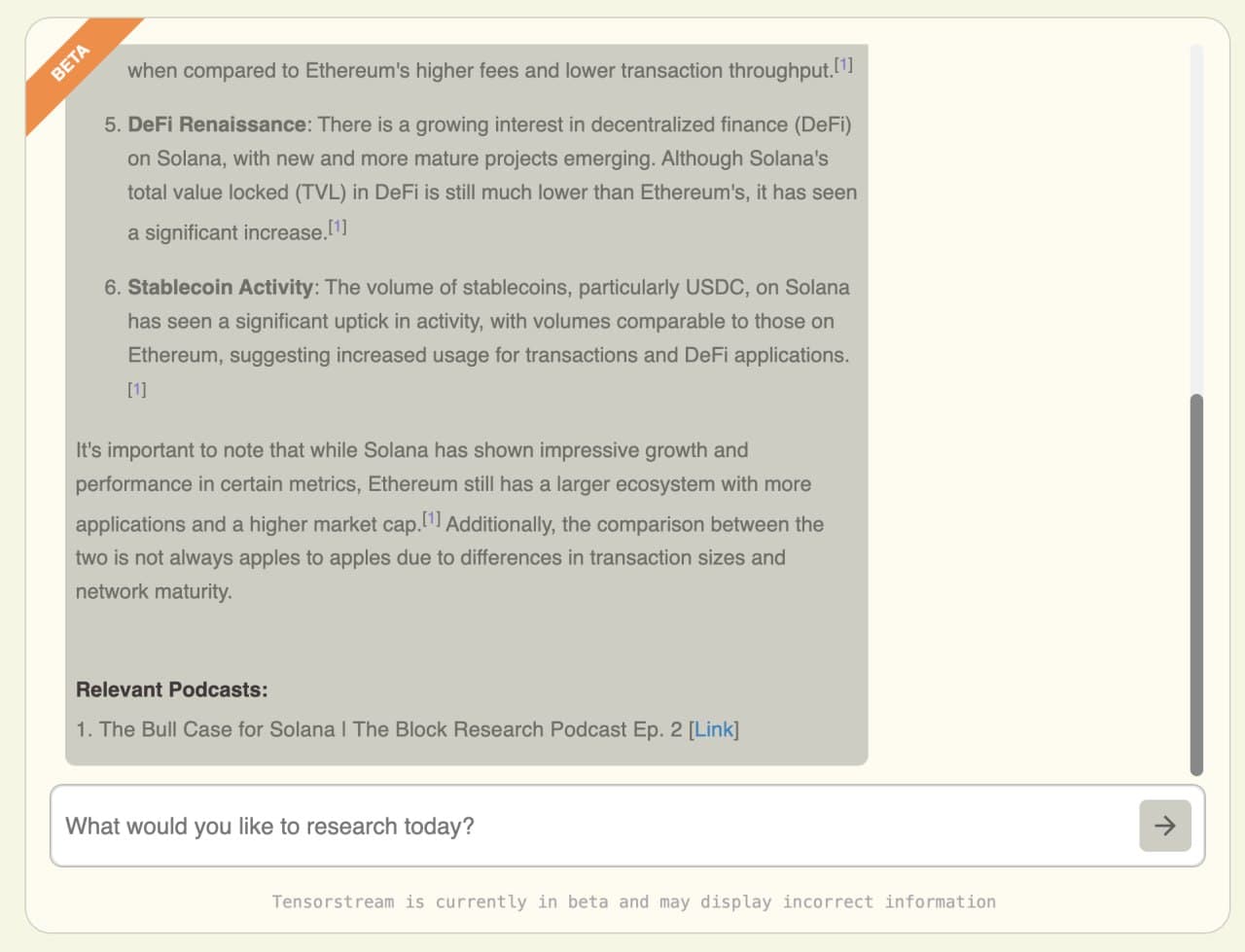
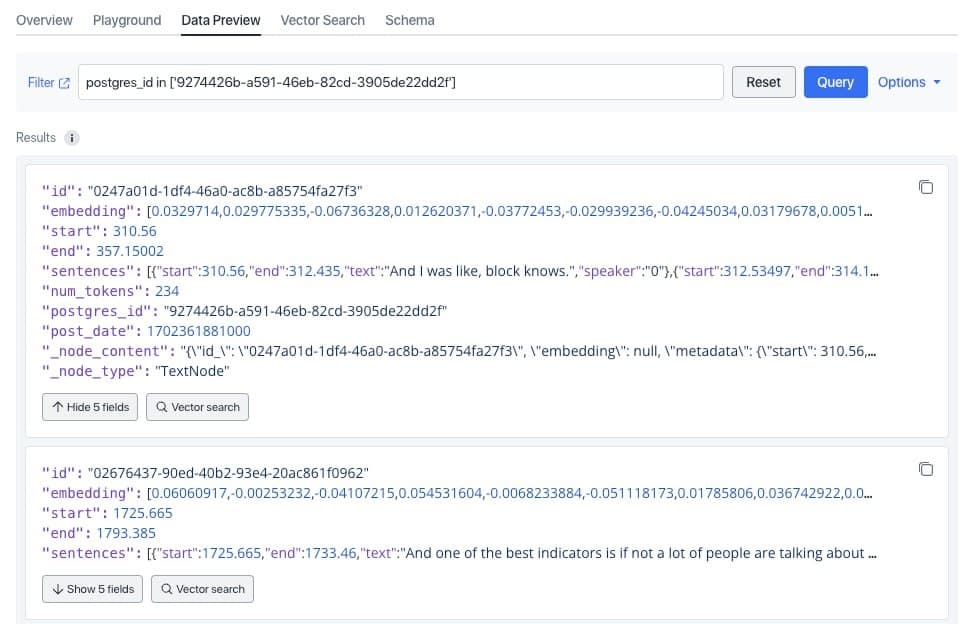
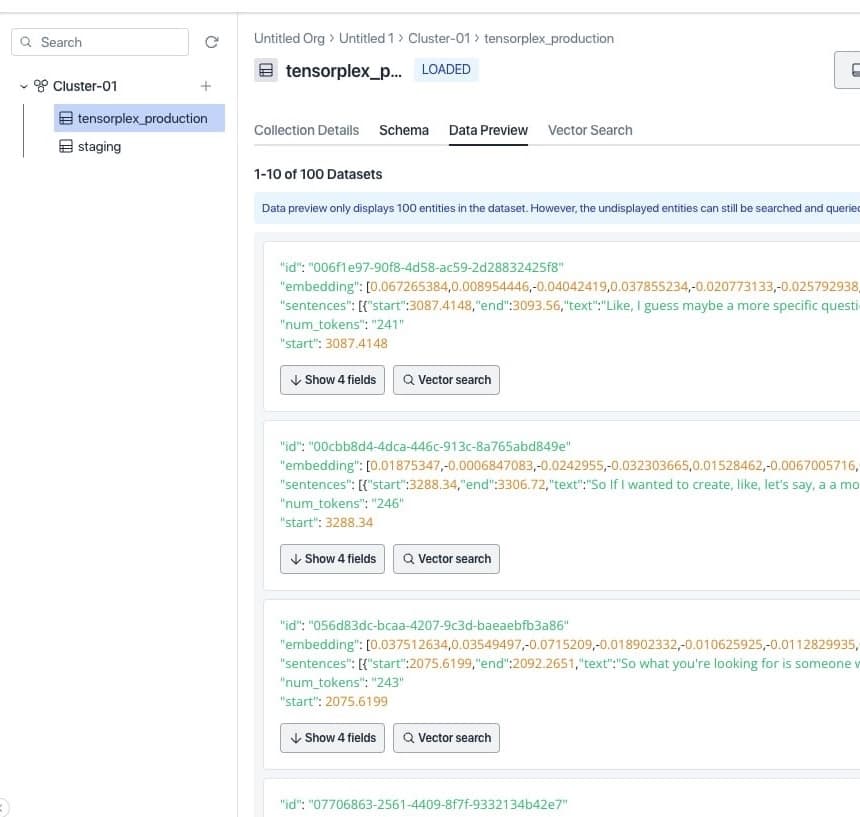
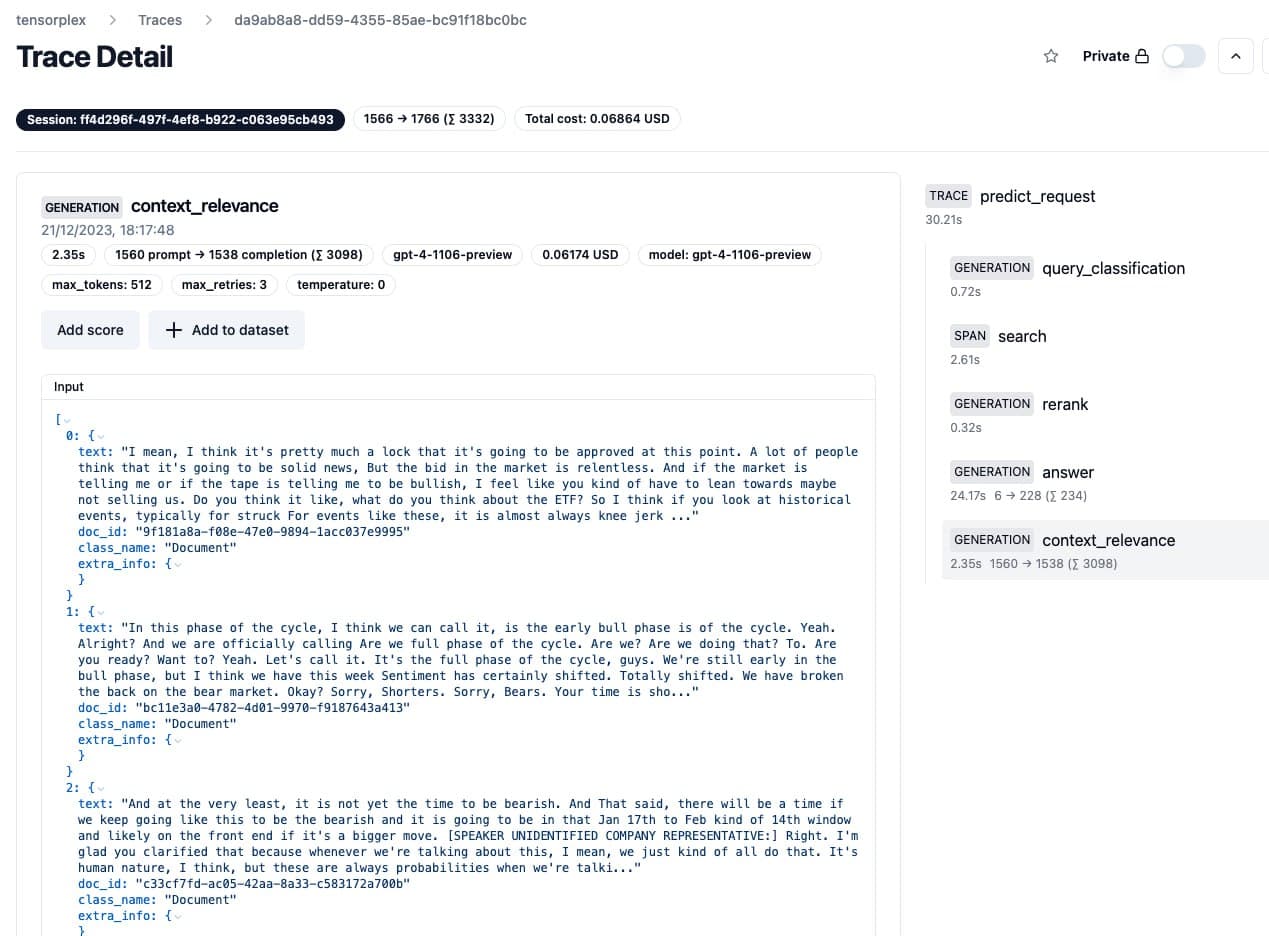
- <1s time to first token (TTFT), 2000+ insights generated from 40+ bittensor youtube channels, secured USD$3m funding, inference on bittensor corcel's decentralized API with fallbacks via openrouter/litellm
- status:
- deployed for 1 year 6 months, then archived
- year:
- 2023-2025
- role:
- architect, backend & ai engineer
- stack:
- python, typescript, nextjs, react, litellm, instructor, langfuse, openrouter, huggingface, postgres, milvus, redis, docker, aws, pm2, fastapi, cron, scheduling, cohere.ai, together.ai
- challenges:
- ai observability, writing evals, measuring system performance of reranking and query classification/decomposition/expansion, chunking experiments for sentence window/small-to-big retrieval, scraping youtube with heavy anti-botting mechanisms
- lessons:
- it's easier to write your own ai components than to use langchain, evals & observability are essential before measuring effects of new components in your system, evals evals EVALS
- links:
- release announcement, fundraise announcement
>maiko.ai
tl;dr
- highlights:
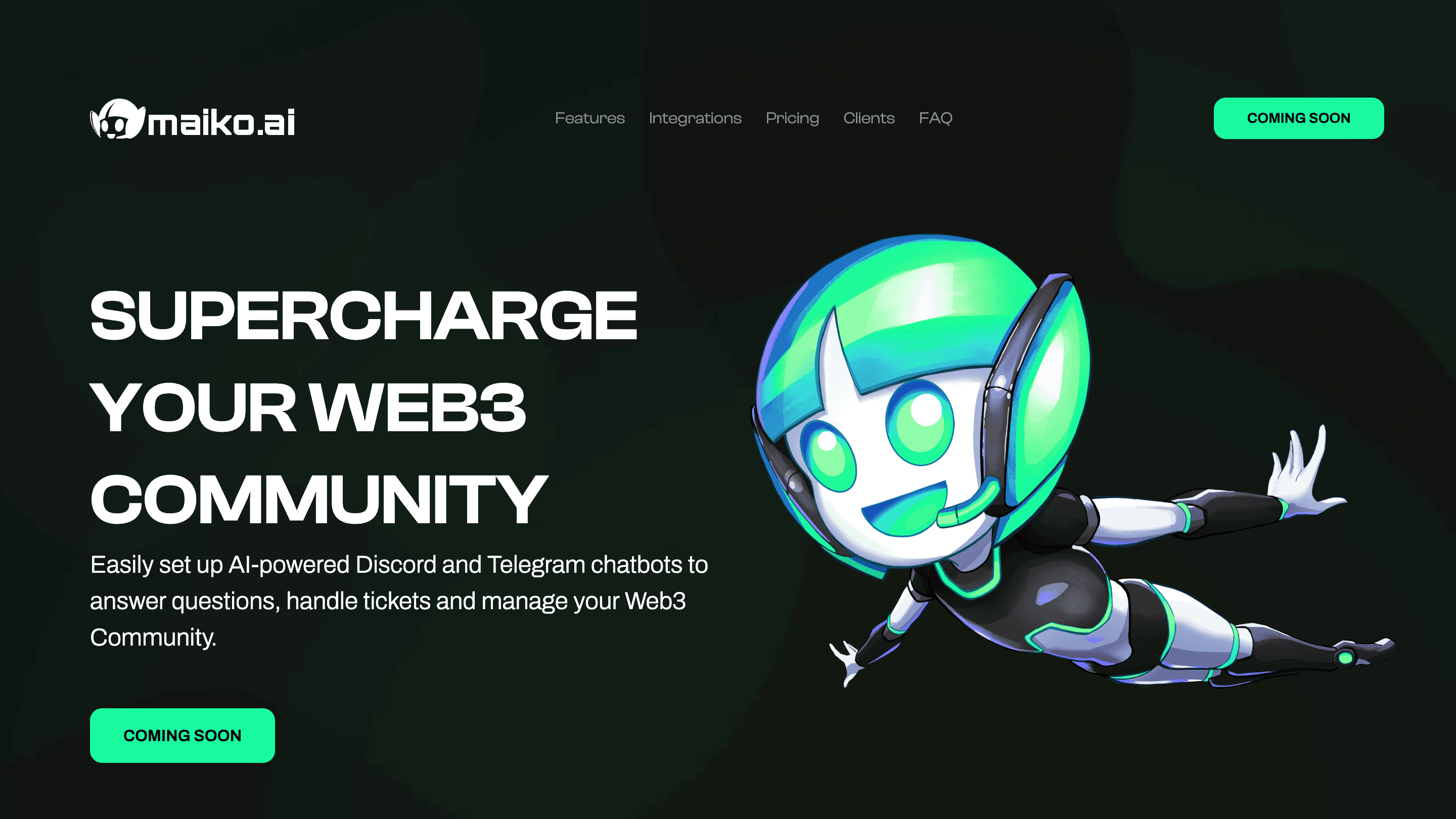
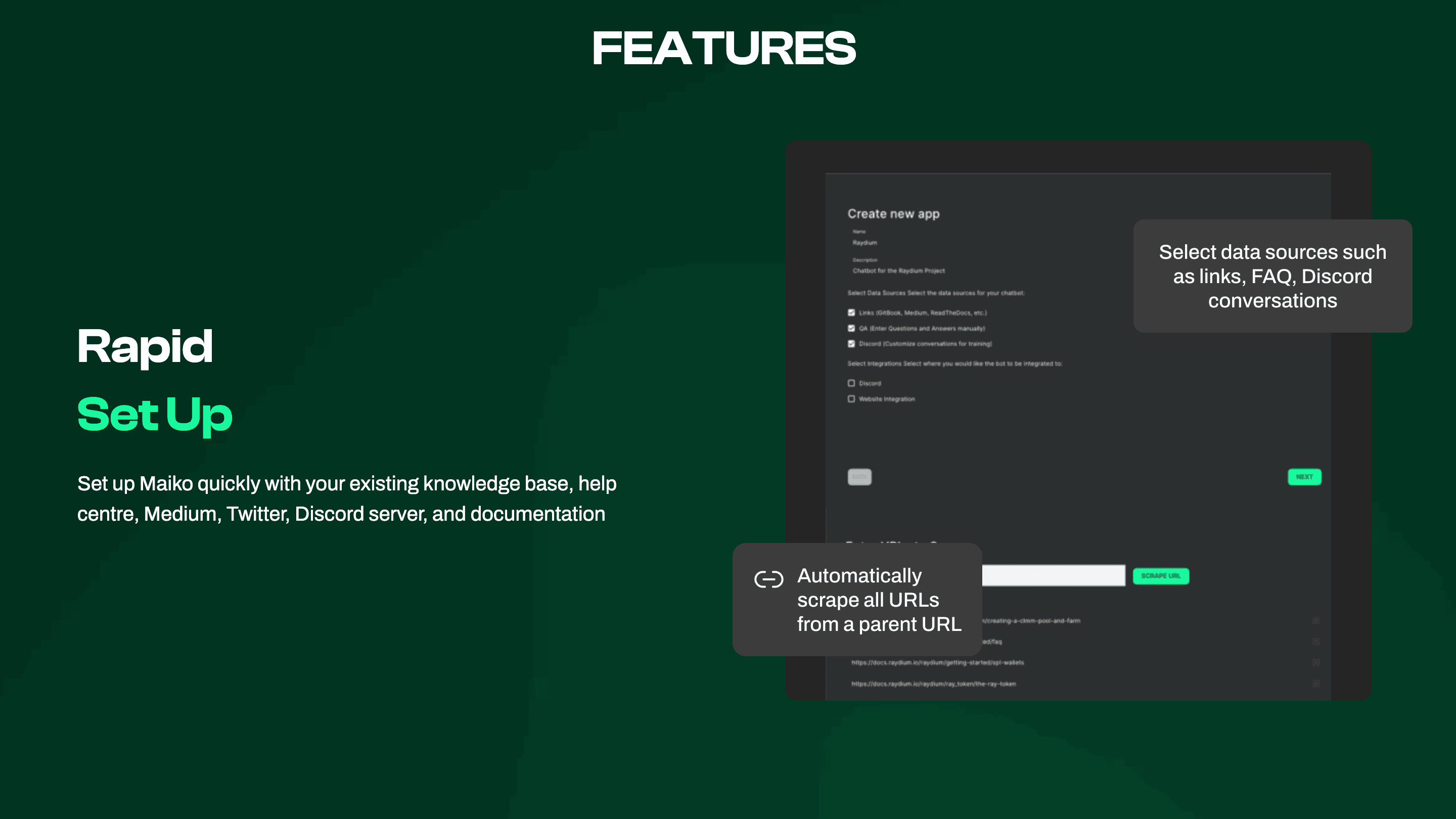
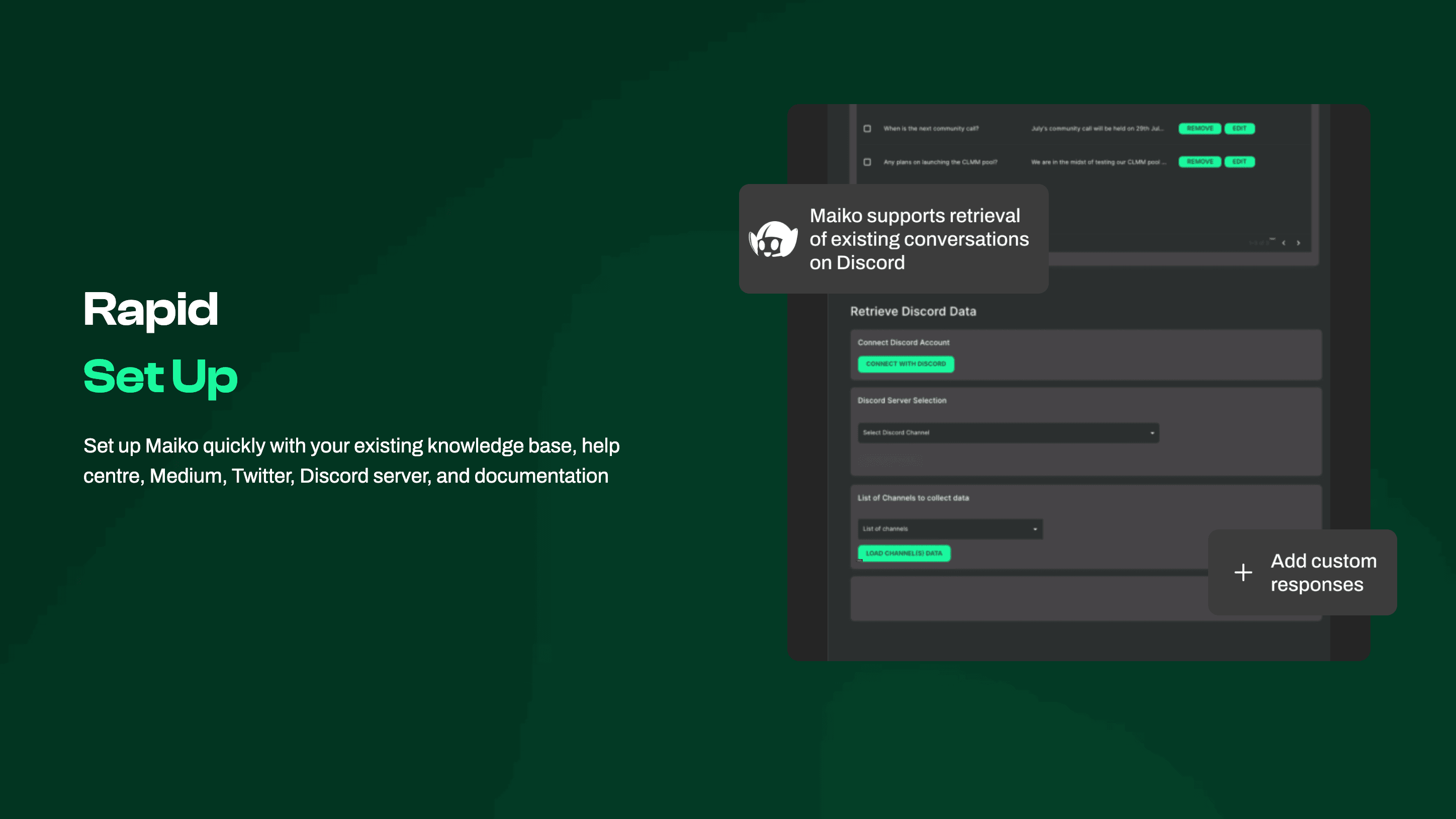
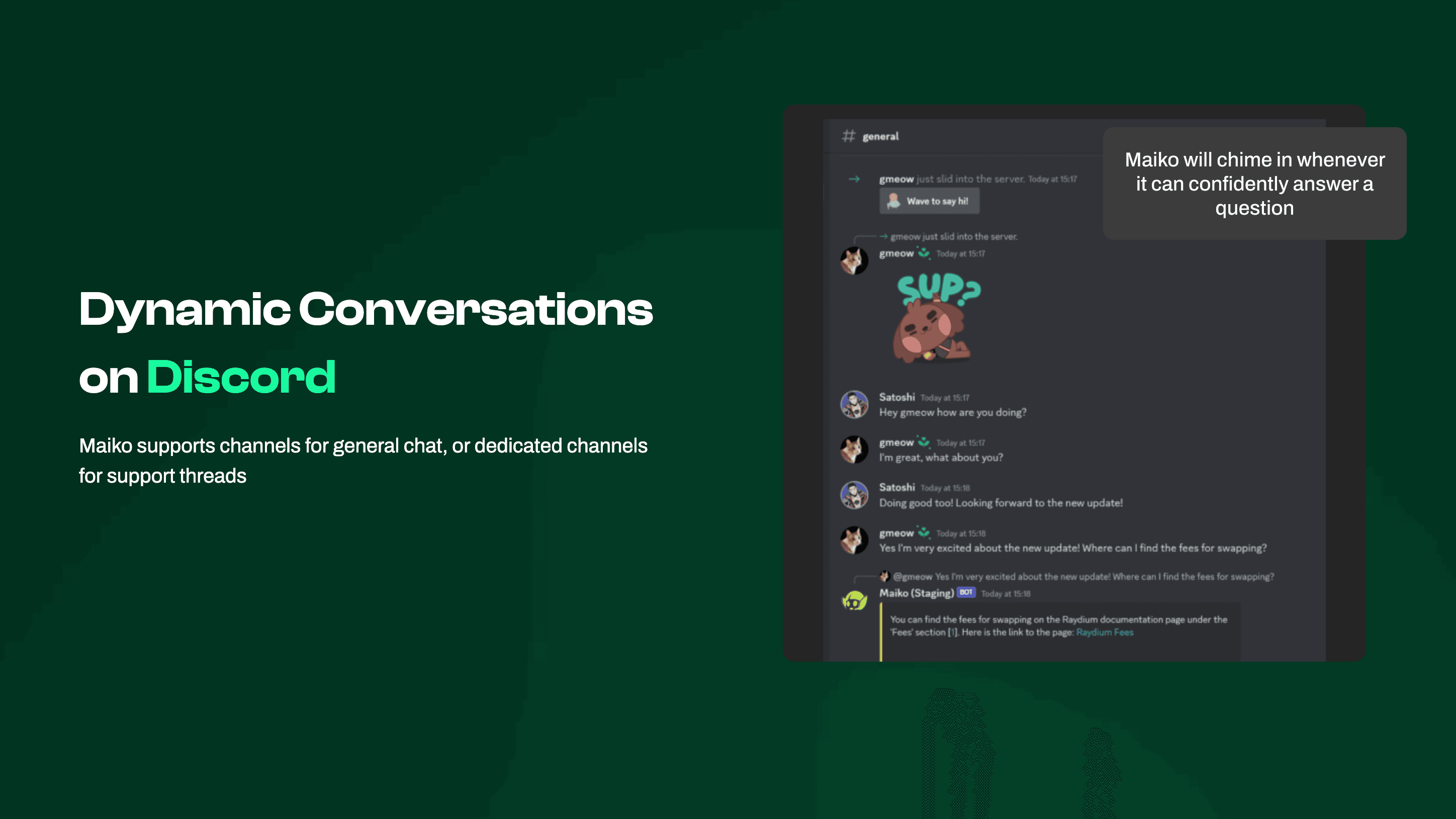
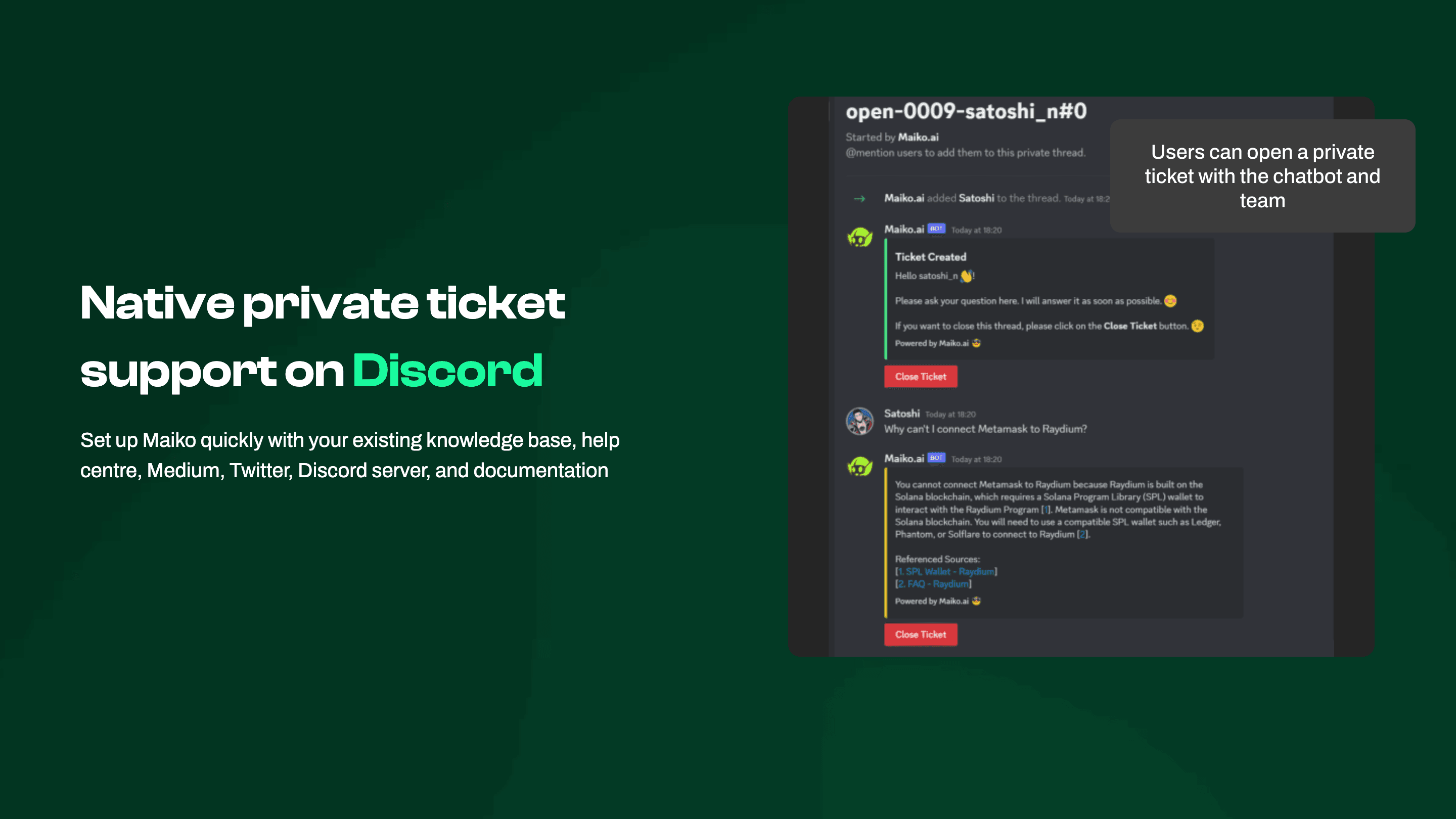
- deployed on Raydium, Minted, Solend, Mane City projects totalling 200k+ members, custom knowledge base management, offloaded community managers workload by 80% by answering FAQs, allowed admins to update knowledge base natively on discord
- status:
- archived
- year:
- 2023-2024
- role:
- backend & ai engineer
- stack:
- python, typescript, nextjs, react, chroma, langchain, litellm, instructor, postgres, redis, kafka, docker, aws, pm2, fastapi
- challenges:
- balancing speed & accuracy with gpt-3.5's 15 tokens per second (TPS) bottleneck, scaling infrastructure & reliability for users, gitbook & other documentation sources may be stale
- lessons:
- enforce microservice architecture design to reduce code complexity, vector database requires careful consideration of embedding model, indexing, and retrieval strategies
- links:
- website snapshot
>frenscanner.ai
tl;dr
- highlights:
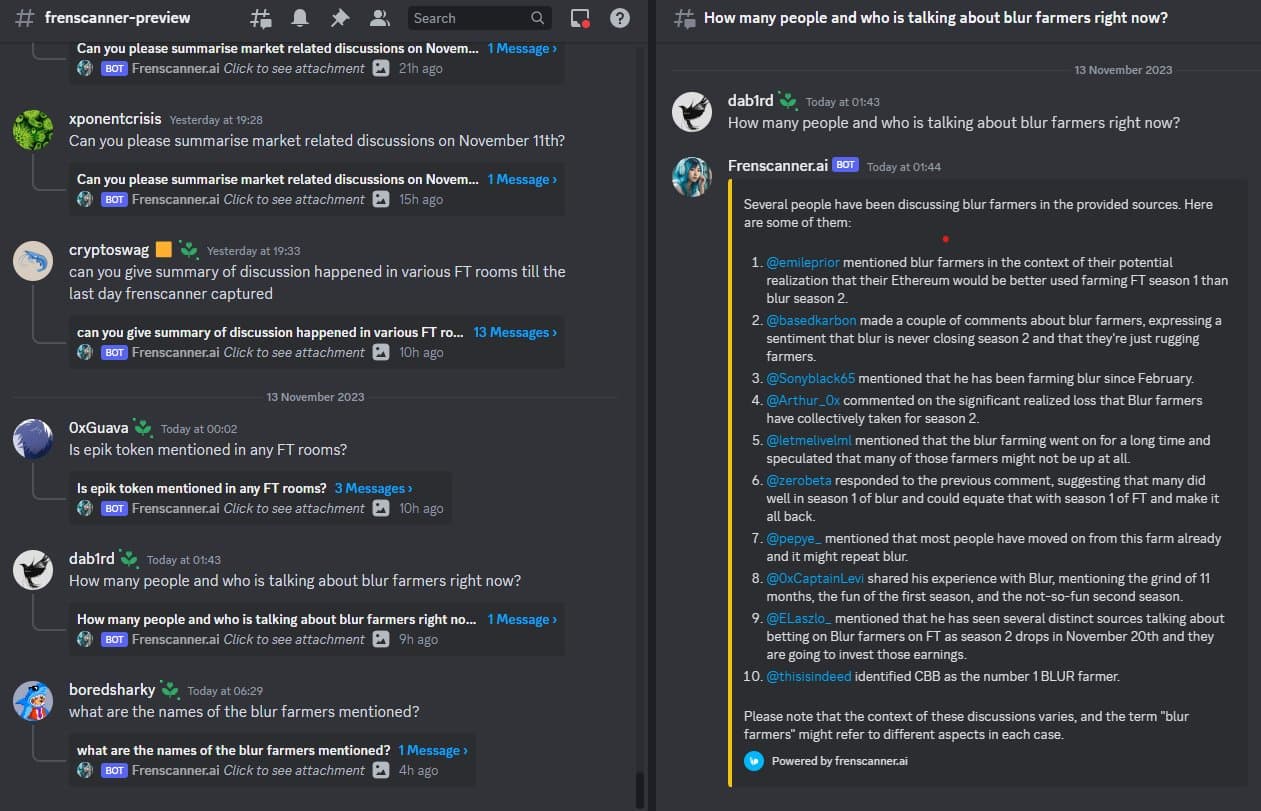
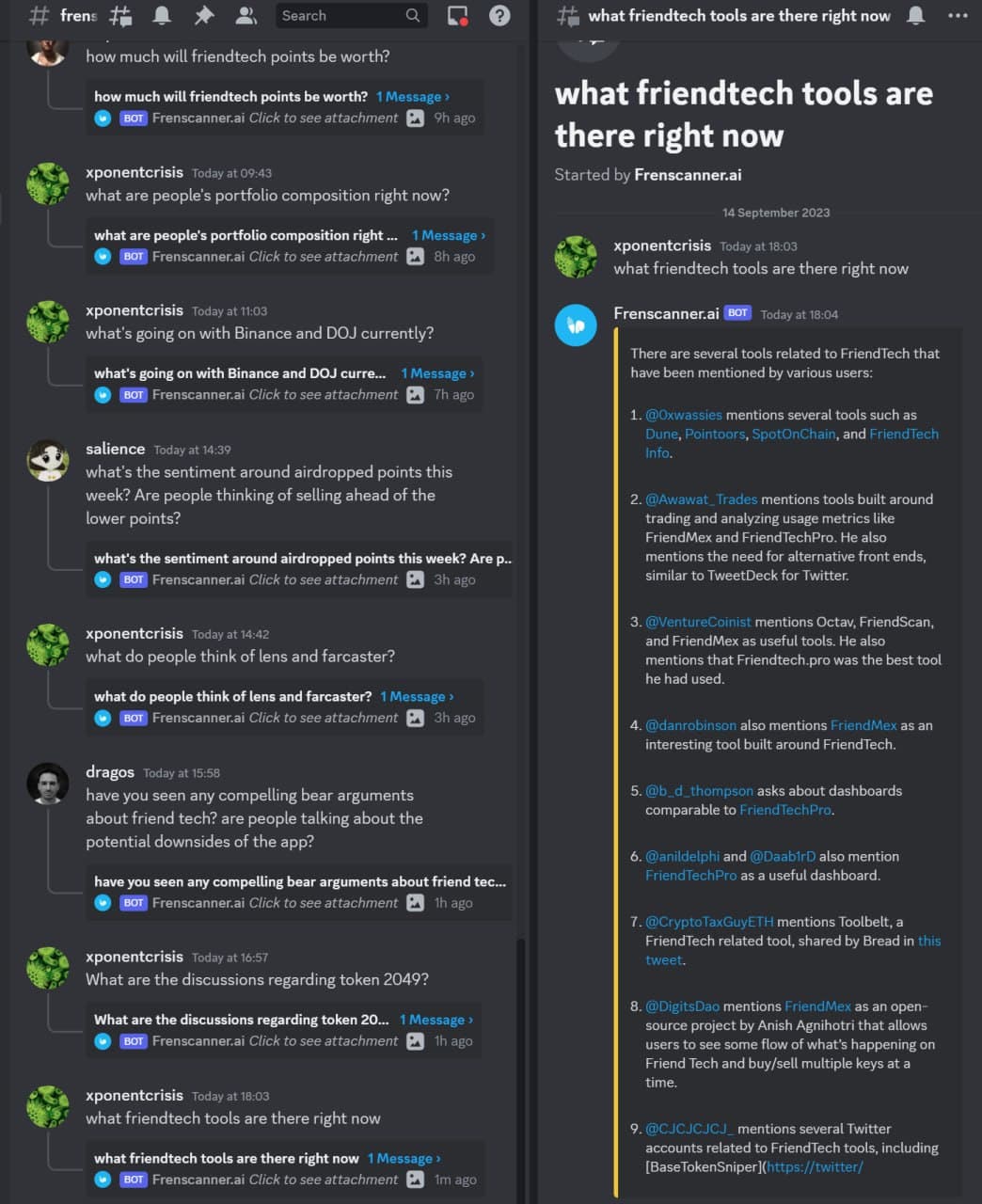
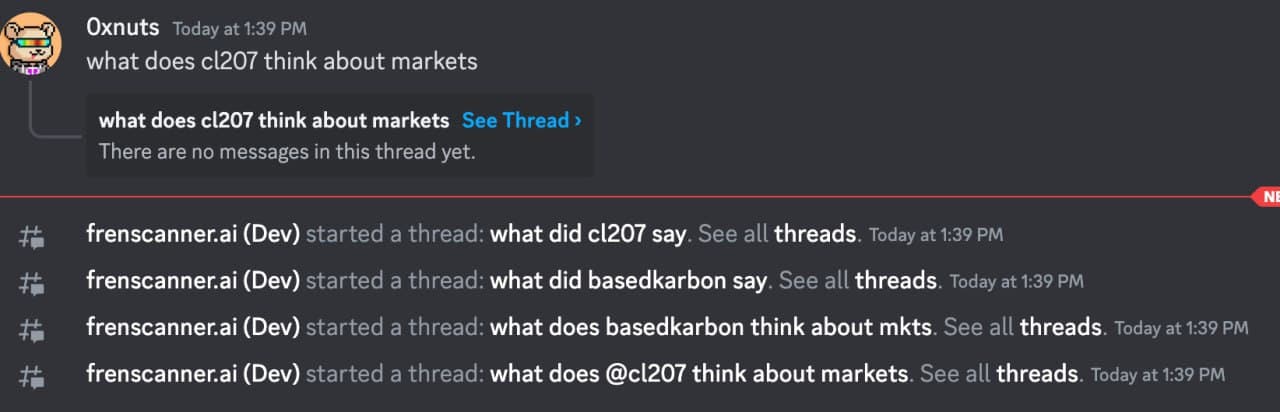
- generated signals via sentiment analysis of trader chatroom messages, performed named entity recognition against coingecko listed tokens
- status:
- beta test
- year:
- 2023-2024
- role:
- sole developer, backend & ai engineer
- stack:
- python, typescript, nextjs, react, chroma, langchain, postgres, redis, kafka, docker, aws, pm2, fastapi
- challenges:
- named entity recognition of token names & symbols and twitter handles, context engineering of messages to handle noisy chatroom messages, reverse engineering twitter api
- links:
>centralized exchange order book aggregator
tl;dr
- highlights:
- rewrote existing aggregator from python to go for 1000x speedup, aggregated order book data from Binance, MEXC, Bybit, etc.
- status:
- internal use
- year:
- 2023-2023
- role:
- sole developer, backend engineer
- stack:
- go, rueidis, sonic, websockets, postgres, gin, redis, docker
- challenges:
- concurrency of handling 3000+ websocket connections per token across different exchanges, getting latency as low as possible to prevent stale data
- lessons:
- red black trees are decent for maintaining an order book, overhead from json serialization & deserialization is surprisingly high, kimchi premium exists iykyk
>okx internal growth platform
tl;dr
- highlights:
- built REST APIs for a dashboard used by 120 internal users to analyze growth channels and automate business reporting, achieved 95% faster end-to-end response times, integrated third-party CRM software to automate affiliate deal pipelines to achieve to 500% YoY affiliate growth
- status:
- internal use
- year:
- 2022-2023
- role:
- backend engineer, scrum master
- stack:
- java, nodejs, mybatis, sql, git, hubspot
- challenges:
- translating growth and affiliate workflows into maintainable backend APIs, integrating third-party CRM data with internal systems, balancing feature delivery with test coverage and microservice uptime
- lessons:
- clear technical documentation compounds across a team, API performance matters even for internal tools
>aidrivers warehouse computer vision safety system
tl;dr
- highlights:
- co-led a team of 5 to deliver AIDrivers Singapore office's first computer vision product, built an instance segmentation model with over 80% accuracy to detect incorrect safety equipment usage in warehouse environments
- status:
- prototype delivered
- year:
- 2020-2021
- role:
- autonomy engineer
- stack:
- python, pytorch, docker, ansible, bash, computer vision, Facebook AI Research detectron2
- challenges:
- building a reliable detection system for real warehouse safety scenarios, coordinating model development & data labelling across a small team, automating reproducible development and production environments with idempotency
- lessons:
- deployment and onboarding automation matter even in early prototypes, computer vision systems need to be evaluated against the operating environment rather than only offline metrics, simple containerized workflows reduce handoff friction